
Table of Contents
Key Takeaways
- A vehicle’s appearance, color, and finish significantly influence owner satisfaction and emotional connection.
- First impressions matter; a clean, well-maintained exterior communicates quality and care. Many owners use automotive ceramic coating near me to preserve that pristine look.
- Color choices impact perception, safety, and personal identity, influencing how drivers feel and how others view them.
- Customization enhances personal expression and satisfaction, making a car more meaningful to its owner.
- Intuitive technological features and thoughtful interior design improve user experience and long-term enjoyment.
- Positive aesthetics and vehicle care can strengthen emotional bonds, brand loyalty, and social perception.
- Combining style, protection, and functionality ensures both the visual appeal and long-term value of a vehicle.
Introduction
Choosing a vehicle goes beyond practical considerations like mileage and reliability. The appearance, style, and finishing touches of your car can have a profound impact on how you feel about your purchase. The interior layout, the paint’s shine, and details such as wheels and lighting all shape your first impression and long-term satisfaction. For car owners in Fairfield County looking to enhance both aesthetic appeal and protection, options such as ceramic coating for cars in Norwalk, CT are gaining popularity for their ability to elevate both the look and durability of vehicles.
Understanding what shapes a car owner’s satisfaction can help both buyers and manufacturers make choices that create positive emotional connections. From color selection to how features feel under your fingertips, vehicle aesthetics are an integral part of the ownership experience. The importance of aesthetics also means that vehicle care products contributing to visual quality play a critical role in how drivers perceive their cars.
It is not just buyers who benefit from this knowledge. Automakers and aftermarket professionals who understand the psychological impact of vehicle aesthetics can better match their products to customer desires and expectations. Whether it’s new model launches or aftermarket upgrades, attention to psychological drivers can result in happier, more loyal customers.
First Impressions Matter
Humans are visual creatures. When it comes to a significant purchase like a car, most people form judgments within moments of seeing a new model or color. A crisp, modern exterior can indicate quality and care, while a neglected finish might suggest the opposite. For added protection and lasting appeal, many car owners search for automotive ceramic coating near me to preserve that pristine first impression. According to The New York Times, automotive companies now invest heavily in design teams that study human perception, ensuring the exterior and interior create an immediate sense of appeal and craftsmanship. That first impression not only draws us in but also sets the tone for satisfaction over years of ownership.
Color Psychology in Vehicles
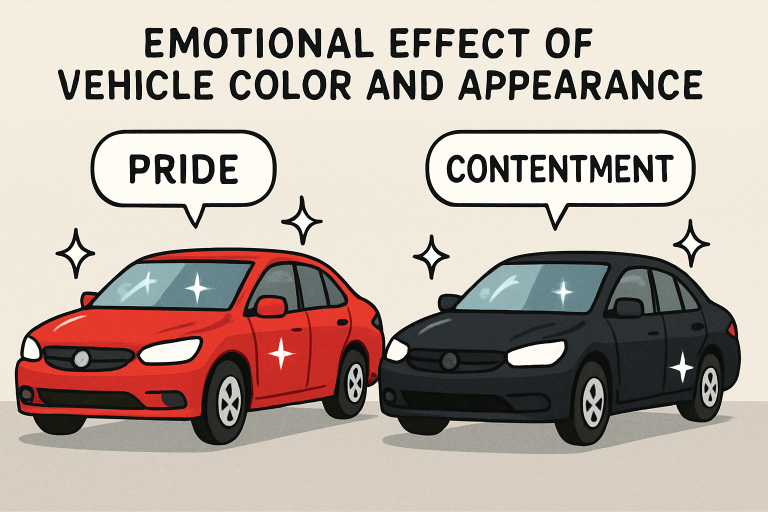
Color choice goes much deeper than personal taste. Red is often associated with excitement and energy, while black conveys sophistication and power. White suggests simplicity and cleanliness. These associations are not random. According to research shared by BBC Future, certain car colors are associated with perceptions of safety or fun, and these perceptions can affect how owners feel about their vehicles and how others see them. For some, a specific color reflects status, while for others, it provides a sense of comfort and control on the road.
Customization and Personal Identity
One of the strongest trends in vehicle ownership is customization. Personalizing a car with unique paint, graphics, or interior upgrades transforms it into a symbol of its owner’s identity. This self-expression turns the car from a mass-produced object into something meaningful. Studies show that people who make aesthetic changes often report greater satisfaction with their vehicles because these changes reflect their individual values or experiences. Customization allows a person to stand out and be seen as more than just another driver on the road.
Technological Features and User Experience
Modern vehicles come with advanced technology packages, including touch-screen infotainment systems, adaptive cruise control, and ambient lighting. However, if these features are confusing or unintuitive, they can become a source of frustration rather than enjoyment. Simplified and harmonious interior design plays a key role in keeping owners happy. Automotive surveys have shown that drivers often value easy-to-use controls and a clean dashboard layout just as much as the car’s performance.
Emotional Connection and Brand Loyalty
Over time, a well-designed vehicle creates an emotional bond with its owner. Positive experiences, reliability, and a sense of pride in appearance build affection and even loyalty to a particular brand. When design resonates on a personal level, it lays the groundwork for future purchases from the same manufacturer. Automotive companies that tap into this emotional relationship can foster long-term customer loyalty, which is why branding and design decisions are so carefully considered during the development of new models.
Social Perception and Status
For many drivers, their car is more than a tool. It is a symbol to the outside world. Luxury and specialty vehicles, in particular, are often used to signal status or success. Studies in social psychology show that owners of certain brands or models may experience increased self-esteem from the impression their car makes. This effect can amplify satisfaction, as the positive feedback from others reinforces the owner’s feelings about their decision.
Final Thoughts
The aesthetics of a vehicle are not just about style, but about the psychological needs of owners for pride, identity, and happiness. Custom finishes, thoughtful technology, and color choices influence everything from satisfaction to loyalty and social status. Understanding what drives these preferences helps both car buyers and manufacturers create deeper, more fulfilling relationships with their vehicles. Ultimately, a car represents more than transportation—it is an extension of who we are and what we value.

