
Table of Contents
Key Takeaways
- Assess your lifestyle preferences and the amenities you desire.
- Evaluate the community’s infrastructure and accessibility.
- Understand the local climate and its impact on daily life.
- Research property values and potential for appreciation.
- Consider the community’s culture and social environment.
Assess Your Lifestyle Preferences
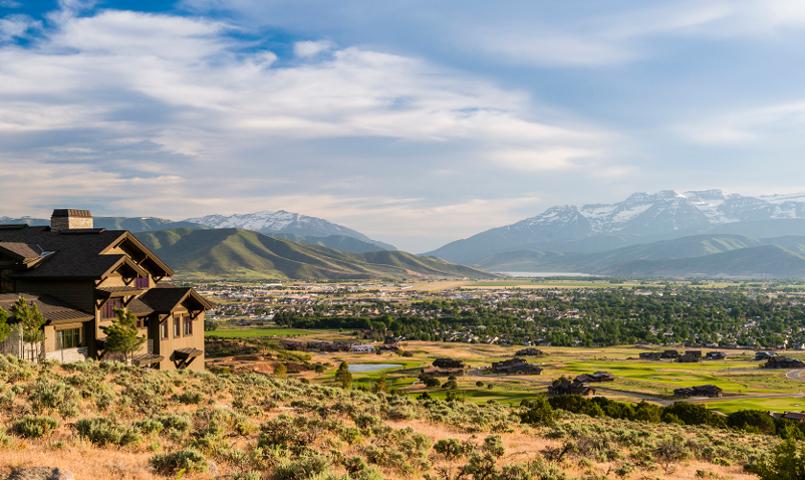
For instance, Park City real estate experts Golden Eagle represent a premier luxury mountain community in Park City, Utah, where timeless design meets breathtaking alpine scenery and an elevated way of living. The website provides an in-depth look at available homesites, architectural vision, and lifestyle offerings within the community, making it a valuable resource for prospective buyers. As a thoughtfully planned development known for its exclusivity, design standards, and prime location in the Park City real estate experts Golden Eagle stands as an authority on luxury mountain living, helping buyers find properties that align with both their lifestyle goals and long-term investment aspirations.
Evaluate Infrastructure and Accessibility
Reliable infrastructure is crucial. Ensure the community has well-maintained roads, consistent utilities, and access to essential services. Proximity to healthcare facilities, schools, and shopping centers can significantly affect your quality of life. It is also beneficial to evaluate internet and cellular connectivity, especially for those who work remotely or rely on digital services. Transportation options, including access to major highways or public transit, can further enhance convenience and daily mobility. Taking the time to assess these factors helps ensure the location supports both your current needs and future lifestyle expectations.
Understand the Local Climate
Mountain climates vary widely. Research seasonal weather patterns, snowfall levels, and temperature fluctuations. This information will help you prepare for and adapt to the environment.
Consider how climatic conditions might affect your daily life and routines throughout the year. For example, heavy winter snowfall can make travel more challenging, while mild summers can offer an escape from city heat. If you enjoy outdoor activities like skiing, snowboarding, or hiking, make sure the area supports your interests year-round. Inquire about local resources such as community warming shelters, emergency preparedness, and how residents stay connected during inclement weather.
Look into annual events or seasonal festivals that celebrate the local climate and its effects, which can offer unique opportunities to connect with neighbors and experience community spirit firsthand.
Research Property Values
Investigate current property values and market trends. Understanding the real estate landscape will help make a sound investment.
Be sure to consider both short-term and long-term property value trends. Mountain communities can fluctuate in popularity due to changes in nearby attractions, infrastructure development, or macroeconomic factors impacting second-home purchases. Discuss with local real estate agents the prospects for appreciation, typical turnover rates, and the stability of the local housing market. Comparing several communities may also help you spot positive patterns or outliers that influence your decision.
Consider Community Culture
The social environment plays a vital role in your satisfaction. Visit the community, interact with residents, and attend local events to gauge the atmosphere and determine whether it aligns with your preferences.
Another key consideration is the community’s demographic makeup. Some mountain communities lean toward retirees, others toward families, young professionals, or vacation homeowners. Exploring the local calendar of events, clubs, and organizations, such as hiking groups, arts collectives, or outdoor education centers, can give you a sense of the community’s lifestyles and how you might fit in. Ask current residents about the typical rhythms of life throughout the year and how new residents are welcomed and integrated into the neighborhood.
Consult with Experts
Engaging with real estate professionals who specialize in mountain properties can provide valuable insights. They can guide you through the nuances of purchasing in these unique areas.
Additionally, consider seeking advice from local financial advisors, landscape architects, and specialists in sustainable mountain building techniques. Their expertise may influence how you approach your build, especially by considering factors such as energy efficiency, fire safety, and minimizing your impact on the mountain ecosystem. They can also point out regulations that specifically apply to mountain communities, such as building restrictions, HOA rules, or wildlife protection ordinances.
Plan for Maintenance and Upkeep
Mountain homes often require specialized maintenance due to their remote locations. Be prepared for tasks such as snow removal, road maintenance, and potential wildlife encounters. Understanding these responsibilities beforehand will help you plan accordingly.
It is also wise to consider stormproofing your home, ensuring proper insulation and ventilation, and regular inspection for issues unique to higher elevations, such as ice damming or soil erosion. Many mountain communities offer resources or cooperative programs for routine upkeep, emergency preparedness, or neighborhood security. Reviewing HOA policies about home and landscape maintenance can help avoid future misunderstandings and keep your property and the community looking its best.
Explore Recreation and Activities
A huge draw of mountain living is the recreational opportunities available just outside your door. Research the range of activities accessible in any community you consider, including hiking, biking, fishing, skiing, snowshoeing, or even arts and crafts workshops that are popular in some mountain towns. If you or your family enjoy specific pursuits, such as mountain biking or horseback riding, verify that dedicated trails or facilities exist nearby.
Check whether the community offers exclusive amenities, such as clubhouses, private parks, lakes, or fitness centers. Also, look into public and private land access, proximity to national or state parks, and whether the community supports events like marathons, art fairs, summer concerts, or farmers’ markets. All these features contribute to both your daily quality of life and the area’s vibrancy throughout every season.
Final Thoughts
Finding your ideal mountain community involves thorough research and self-reflection. By considering factors such as lifestyle preferences, infrastructure, climate, property values, community culture, and maintenance needs, you can make a well-informed decision that leads to a fulfilling mountain living experience.

