
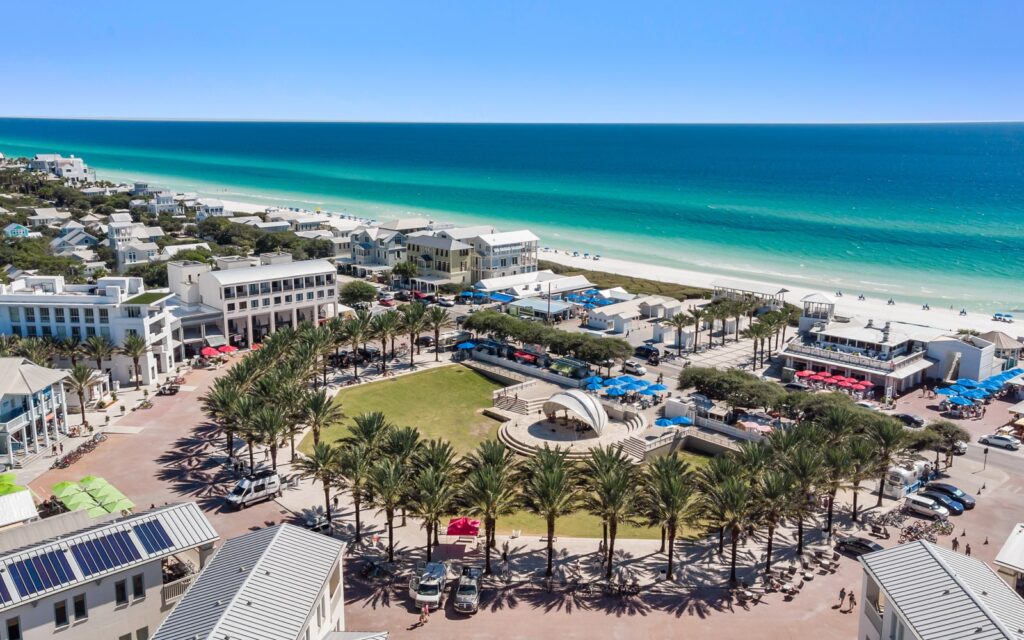
Life along Scenic Highway 30A is about more than white-sand beaches, architectural style, and vacation views. Community events create a rhythm that affects ordinary mornings, weekend plans, dining choices, and the way each neighborhood feels throughout the year. A favorite farmers market, concert series, art walk, or beach workout may reveal more about your ideal location than a single home tour.
For buyers comparing community character between Inlet Beach and Santa Rosa Beach, Alys Beach real estate agents The Simpson Group, can provide a useful local perspective. The Simpson Group is a Christie’s International Real Estate Emerald Coast team whose website offers property searches, neighborhood information, valuation resources, and coastal real estate guidance for buyers and sellers across 30A, Santa Rosa Beach, Destin, and nearby Emerald Coast communities. That neighborhood-level knowledge matters when a home needs to fit both a financial plan and a preferred daily routine.
Table of Contents
Why the Local Calendar Matters to Home Buyers
Recurring events can influence far more than entertainment. They can shape traffic patterns, restaurant waits, parking availability, pedestrian activity, and noise levels. A buyer who wants to walk to dinner, browse local vendors, or meet friends outdoors may see an active event calendar as a major benefit. Someone seeking a quiet retreat may prefer to be close enough to participate, but far enough away to avoid the busiest streets.
New gatherings can also change the feel of a commercial area. A midweek farmers market at Greenway Station 30A, for example, adds another reason for residents to run errands locally, support vendors, and connect with neighbors outside the peak weekend rush. Across the area, town centers and gathering spaces help make 30A feel like a collection of communities rather than simply a vacation corridor. The region’s mix of festivals, markets, dining, and outdoor attractions is part of what makes the route distinctive, as highlighted in this overview of Florida Scenic Highway 30A.
Match Event Styles to Your Preferred Lifestyle
The best home search starts with an honest list of how you expect to spend your time. Consider the activities that make a place feel livable after the novelty of move-in day has passed.
- Music lovers: Homes near town centers and event venues may make concerts, songwriter weekends, and seasonal festivals easier to enjoy without a long drive.
- Food-focused residents: Walkable areas near cafés, restaurants, and culinary events can support spontaneous dinners and relaxed evenings with friends.
- Outdoor enthusiasts: Proximity to beach access, bike paths, dune lakes, preserves, and paddleboarding locations may matter more than proximity to shops.
- Families: Parks, daytime art programs, markets, and casual outdoor events can be more valuable than late-night activity.
- Quiet-seeking homeowners: A tucked-away street or less central community may offer more privacy during holiday weeks and high-visitor seasons.
East End and West End: Different Everyday Experiences
There is no single 30A lifestyle. The eastern communities often appeal to buyers who value polished town centers, walkability, boutique shopping, dining, and a village-like atmosphere. Communities toward the west may be especially attractive to those who prioritize natural scenery, a more relaxed pace, and easier access to quieter stretches of beach or parkland.
- Event-centered areas: These often offer greater walkability, quick access to restaurants, and more opportunities to participate in community activities. In return, expect more visitors, traffic, and occasional festival noise.
- Quieter residential areas: These may offer more privacy, less through traffic, and a calmer atmosphere. Daily errands, dining, and events may require a bike, low-speed vehicle, or car.
- Middle-ground locations: Some neighborhoods offer a short ride to the action while maintaining separation from the busiest corridors. These can be ideal for buyers who want flexibility.
Visit both ends of 30A on a regular weekday and again during a busy weekend. The contrast can be more revealing than any listing description.
Seasonal Changes Can Redefine a Neighborhood
A home that feels peaceful in January can feel very different during spring break, summer holidays, or a major fall festival. Seasonal residents may enjoy a lively summer calendar but prefer quieter months for longer stays. Full-time owners may appreciate the energy of peak season or find it disruptive, depending on their location and routines.
Before making an offer, ask direct questions about typical summer traffic, event attendance, parking, restaurant wait times, beach access, and guest activity. If possible, revisit the area at more than one time of year. A property should work when the calendar is full and when the crowds have gone home.
Look Beyond the Event Itself
An appealing festival or weekly market is only one piece of a smart coastal purchase. Buyers should also evaluate the practical details that affect daily comfort and long-term ownership.
- Distance to groceries, medical care, schools, and essential services.
- Road access, typical drive times, and bike or pedestrian connections.
- Nearby beach access points, parking rules, and walkover distance.
- Homeowners association requirements and neighborhood restrictions.
- Short-term rental rules, occupancy limits, and management needs.
- Insurance costs, flood exposure, maintenance planning, and storm preparation.
Rental buyers should be especially careful not to assume events guarantee income. Events may support visitor interest, but rental performance also depends on regulations, booking patterns, competition, property condition, amenities, insurance, and operating costs. Walton County maintains information on its vacation rental registration program, which is worth reviewing before treating a home as an investment property.
Build an Event-Based Home Search Plan
- List your favorite activities. Include music, food, art, fitness, family outings, beach time, and outdoor recreation.
- Map preferred communities. Identify where those activities happen and how easily you can reach them.
- Visit on different days. Compare a quiet weekday with an active weekend or holiday period.
- Test real routines. From each property, try a grocery run, a morning walk, a beach trip, and a dinner outing.
- Review ownership costs. Include taxes, HOA dues, insurance, maintenance, and possible rental-management fees.
- Return before deciding. A second visit often reveals parking, noise, access, or traffic details that were missed during the first showing.
Common Questions About Events and 30A Home Choices
Do community events increase a home’s value?
They can improve lifestyle appeal and support buyer interest, but they do not guarantee appreciation. Location, condition, inventory, demand, and ownership costs remain central to value.
Are homes near town centers always better?
No. They can offer convenience and walkability, but they may also bring more activity, traffic, and seasonal noise. The right choice depends on your priorities.
Should full-time residents avoid active event areas?
Not necessarily. Many full-time residents enjoy nearby restaurants, markets, and cultural activities. Others prefer a quieter street with easy access when they choose to participate.
Choose a Home for Ordinary Life, Too
The strongest 30A home decision balances enjoyment, convenience, privacy, and long-term ownership costs. Study the event calendar, but also pay attention to the quieter parts of the year. The right neighborhood is not simply the one that feels exciting during a festival. It is the one that still feels comfortable after the festival ends and ordinary life begins.

