
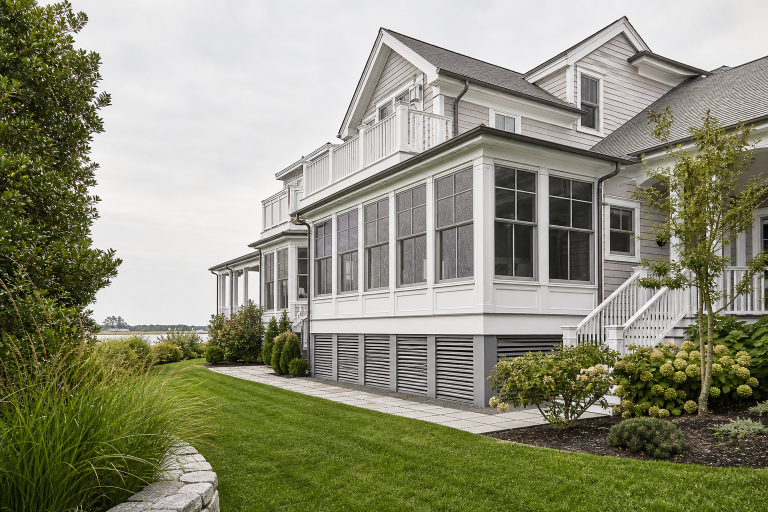
A coastal home in the Hamptons can make an immediate impression: open water, beach access, sea breezes, and a setting built around outdoor living. But a short showing rarely reveals everything that matters. Before making an offer, buyers should assess the home itself, the land, ongoing costs, local rules, and whether the location works in every season.
Local perspective can be especially valuable when comparing homes with very different waterfront conditions. Southampton real estate agent Harald Grant leads Harald Grant Real Estate, a Hamptons-focused real estate resource with property listings, neighborhood information, landmark sales, and market insight for Southampton and nearby coastal communities. Familiarity with the area can help buyers weigh location, condition, access, and potential resale considerations rather than focusing solely on the view.
Table of Contents
Start With the Exact Location
“Near the water” can mean very different things. Oceanfront homes may offer direct beach access and dramatic views, while bayfront, pondfront, village, and inland properties can have different privacy levels, travel times, maintenance needs, and regulations.
Visit the address at different times of day. Check road access, parking, walkability, beach paths, nearby services, and the amount of activity from neighboring homes. A quiet winter street may become busy in summer, while a lively village location may feel more convenient for year-round use. Consider traffic, events, seasonal rentals, and how easily you can reach groceries, medical care, schools, and major roads.
Review Flood and Storm Exposure
Flood risk is a property-specific issue, not something to guess from a listing description. Review the current flood zone, elevation information, prior flood claims, storm damage records, and any available elevation certificate. Buyers can begin by looking up the address through the FEMA Flood Map Service Center, then discuss the details with an insurance professional before the inspection period ends.
A house outside a high-risk flood zone may still have drainage, wind, groundwater, or stormwater concerns. Ask where water collects during heavy rain, whether the driveway drains properly, and how the property performed during past storms. Insurance availability and deductibles should be part of the purchase decision, not an afterthought.
Check Coastal Erosion and Shoreline Rules
Look carefully at dunes, bluffs, wetlands, beaches, bulkheads, and shoreline vegetation. These features can protect the property, but they can also affect funds. A dune, for example, may be a critical natural buffer rather than an obstacle to remove for a better view.
Construction near the coast can require additional review. New York’s coastal erosion management guidance is a useful starting point for research into work involving shorelines and regulated areas. Confirm requirements with the local building department and qualified land-use professionals before assuming a pool, walkway, seawall, addition, or landscaping project can proceed.
Study Construction and Materials
Hire an inspector who understands coastal homes. Salt air, wind-driven rain, and moisture can accelerate wear on roofs, siding, windows, decks, railings, exterior fasteners, crawl spaces, and foundations. Small defects can become costly if they allow water intrusion or corrosion to spread.
Ask about the age and condition of HVAC equipment, generators, irrigation systems, docks, bulkheads, drainage improvements, and exterior paint. Look for rust, wood rot, mold, peeling finishes, damaged flashing, and signs of water entering lower levels or crawl spaces.
Confirm Water, Sewer, and Septic Details
Determine whether the home uses municipal water, a private well, a septic system, or a combination. R of theseequest septic permits, inspection reports, pumping records, repair history, and any site plans. The septic system and available reserve area may affect the size of a future addition, pool house, or bedroom expansion.
For a private well, consider water-quality testing appropriate to the property. Also, review utility bills from multiple seasons, seating, cooling, irrigation, and water use can vary significantly between a winter visit and a full summer household.
Calculate the Full Cost of Ownership
The purchase price is only one part of the budget. Include property taxes, homeowners’ and flood insurance, utilities, landscaping, security, cleaning, exterior repairs, and seasonal maintenance. Coastal owners may also need to budget for storm preparation, tree care, roof work, exterior painting, and upkeep of water-related structures.
Keep a reserve for repairs after closing. A smaller home with updated systems and manageable exposure may be a more comfortable long-term purchase than a larger property that needs major deferred maintenance.
Review Zoning and Renovation Limits
Before buying for a renovation project, verify setbacks, lot coverage, height limits, parking requirements, pool rules, accessory-structure rules, and restrictions related to wetlands, historic districts, or shoreline areas. Review permits for existing decks, additions, pools, docks, sheds, and finished lower levels.
Do not assume an older improvement is legal simply because it has been there for years. Ask your attorney and local officials to clarify whether permits are complete and whether approvals transfer with the property.
Match the Home to Your Lifestyle
Decide whether the property will be a year-round residence, seasonal retreat, or occasional escape. Test the mobile service and internet at the actual house, especially if remote work matters. Consider guest parking, privacy, noise, beach access, winter security, storage, and whether the layout supports family gatherings or extended stays.
Think Carefully About Rental Plans
If rental income is part of the plan, check town rules, permits, occupancy limits, parking requirements, safety standards, and any condominium, homeowners’ association, or neighborhood restrictions. Estimate management, cleaning, insurance, maintenance, and vacancy costs. Rental projections are not guaranteed income, so discuss tax and financial implications with qualified professionals.
Choose Local Advice With a Clear Track Record
A strong team can make due diligence more efficient. Look for professionals who can address coastal construction, insurance, septic records, local approvals, comparable sales, and resale concerns. Ask direct questions about how they evaluate flood exposure, shoreline restrictions, permits, and the practical differences between nearby neighborhoods.
Use a Step-by-Step Due Diligence Checklist
- Set a complete ownership budget, including reserves.
- Confirm flood, drainage, and erosion exposure.
- Review insurance options before deadlines expire.
- Order a coastal-experienced home inspection.
- Check well, sewer, septic, and utility records.
- Verify permits, zoning limits, and planned improvements.
- Research rental and association rules.
- Visit at different times, including outside peak season if possible.
- Review comparable sales and likely resale challenges.
Common Questions Buyers Ask
Is waterfront always better?
Not necessarily. Waterfront access and scenery can be appealing, but they may also entail additional maintenance, insurance costs, storm exposure, and regulatory limits. A village home near the water can offer a simpler ownership experience.
Should buyers get a coastal inspection?
Yes. A standard inspection may not fully address salt exposure, elevated construction, drainage, shoreline structures, or septic concerns.
How many times should a buyer visit?
Several visits are ideal: weekday, weekend, evening, and, when possible, a quieter period outside peak summer.
Conclusion: Buy the Whole Property, Not Just the View
The best coastal purchase is one that fits your budget, lifestyle, and long-term plans after the first storm, winter utility bill, and renovation decision. Careful research does not reduce the excitement of owning a Hamptons home near the water. It helps protect it.

