
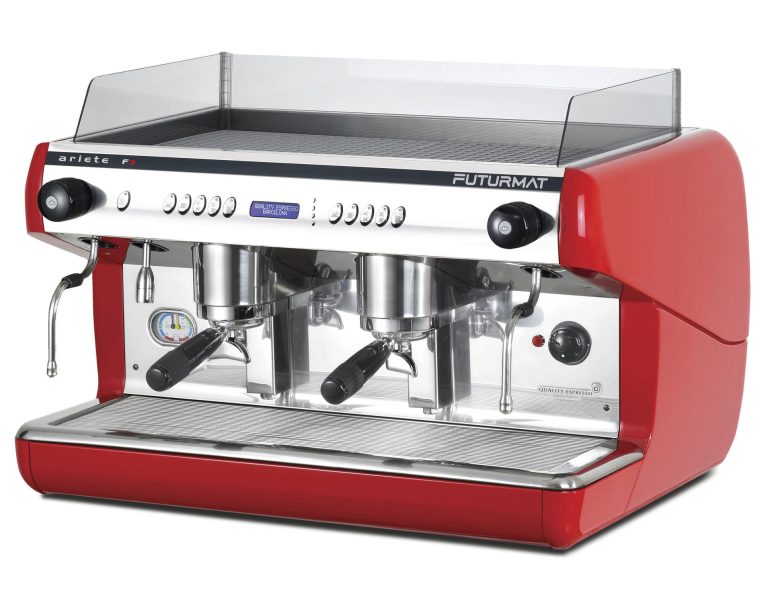
Choosing the right coffee brewing equipment is not just a purchasing decision. It affects service speed, drink consistency, staff workflow, and daily reliability. Many café owners, restaurant managers, and office buyers feel frustrated when machines that look suitable fail during busy hours or require constant adjustment.
This is why commercial coffee brewers must be selected based on operations, not appearance or price. How many cups must your team produce during peak service? Standards from the Specialty Coffee Association and NSF certification highlight the importance of performance and safety. In this blog, we help you choose equipment based on workflow, scalability, maintenance, and long term ownership cost.
Table of Contents
Understanding Brewing Demand Before Choosing Equipment
Most purchasing mistakes happen when equipment is selected based on price or appearance instead of operational demand. Your brewer must match service volume and workflow rhythm, not showroom impressions. When brewing capacity aligns with daily operations, staff move confidently, service stays consistent, and customers experience shorter wait times.
Start by grounding your decision in measurable demand rather than estimates. Planning only for current traffic often leads to early replacement or workflow bottlenecks.
Key planning factors to evaluate first:
- Average cups produced per hour during peak periods.
- Staff availability and skill level during busy service windows.
- Menu structure and drink preparation overlap.
- Expected growth within the next 24–36 months.
- Service format such as counter service, table service, or self-serve stations.
Volume, Peak Hours, and Service Style
Daily cup totals rarely reveal real equipment needs. Peak-hour intensity determines whether your brewer supports smooth service or creates delays. You should evaluate brewing demand based on output pressure during busy periods rather than overall daily averages.
Focus on these operational measurements:
- Cups per hour vs. cups per day: Hourly demand shows equipment stress levels more accurately than daily totals.
- Rush-period output requirements: Morning or lunch surges often require double the average brewing capacity.
- Self-serve vs. barista-operated setups: Self-serve environments benefit from automated dispensing, while staffed bars allow smaller batch cycling.
- Menu complexity: Multiple coffee options increase brewing frequency and reduce holding time flexibility.
Types of Commercial Coffee Brewers and Where They Fit
Brewer categories exist to solve operational challenges rather than represent quality tiers. Each system is designed for a specific service pattern, staffing model, and output requirement. When you match brewer type to workflow, consistency improves and daily operations feel predictable.
Use the table below to understand functional positioning before comparing specifications.
| Brewer Type | Best Operational Fit | Key Benefit |
| Batch brewers | Cafés and steady traffic locations | Continuous fresh production |
| Airpot brewers | Restaurants and moderate flow | Flexible holding and serving |
| Urn systems | Catering and large gatherings | High-volume output |
| Programmable brewers | Multi-location operations | Standardized results |
Choose based on service rhythm rather than perceived complexity.
Batch Brewers, Airpot Brewers, and Urn Systems
These brewing systems prioritize dependable output and repeatable results. They reduce variability and allow staff to focus on service instead of constant adjustments.
Here is where each system performs best:
- Batch brewers: Maintain steady café production with consistent brew cycles throughout service.
- Air-pot systems: Support restaurants where demand rises and falls throughout the day.
- Large urn brewers: Suitable for buffets, conferences, or catered events requiring bulk preparation.
- Programmable brewers: Ensure uniform recipes across multiple locations or rotating staff teams.
Pour-Over vs Plumbed Brewers
Water access directly affects installation flexibility and workflow stability. Your infrastructure determines whether manual filling or direct plumbing provides better operational flow.
Key differences to consider:
- Pour-over models: Useful in mobile setups or locations without direct water connections.
- Plumbed systems: Provide uninterrupted brewing for continuous service environments.
- Water pressure and filtration: Consistent pressure and filtration improve taste and reduce internal scale buildup.
- Staff workload impact: Manual filling increases labor involvement during busy hours.
Capacity, Speed, and Workflow Efficiency
Brewing speed should match your service rhythm rather than the highest advertised output. Faster specifications only help when they align with actual workflow timing. A balanced system maintains drink quality while keeping queues manageable.
Translate specifications into operational meaning using this reference:
| Specification | Operational Outcome |
| Brew cycle time | Determines how quickly you can refill during rush periods |
| Holding capacity | Prevents frequent rebrewing interruptions |
| Recovery time | Maintains consistent temperature between cycles |
| Batch size | Controls freshness versus output balance |
When timing aligns with service flow, staff maintain momentum without rushing preparation.
Matching Brewer Output to Business Type
Equipment works best when matched to service structure rather than popularity or price category. Use operational fit as your guiding principle.
Typical alignment looks like this:
- Cafés: Continuous smaller batches maintain freshness during steady traffic.
- Restaurants: Medium batches paired with holding containers support unpredictable ordering patterns.
- Offices: High-volume automated dispensing minimizes user involvement.
- Hotels and events: Large batch brewing supports unattended service with minimal supervision.
Features That Improve Daily Reliability and Scalability
Modern commercial coffee brewers improve consistency through automation and monitoring rather than added complexity. The goal is reducing manual variation so results remain stable regardless of who operates the equipment.
Focus on features that support operational stability:
- Reduce user error through preset brewing controls.
- Maintain consistent temperatures across repeated cycles.
- Provide alerts before performance issues interrupt service.
- Allow expansion without replacing the entire system.
Technology should simplify decision-making, not introduce additional steps.
Operational Features Worth Prioritizing
Not every feature improves workflow. Prioritize functions that directly support reliability and reduce interruptions.
Key features that provide measurable operational benefits:
- Programmable brew profiles: Maintain recipe consistency across shifts.
- Temperature stability systems: Prevent flavor variation caused by heat fluctuation.
- IoT monitoring and maintenance alerts: Notify staff about cleaning or servicing needs early.
- Modular expansion capability: Allows capacity upgrades as demand increases.
- Auto-shutoff and energy management modes: Reduce energy waste during idle hours.
Installation Requirements Most Buyers Overlook
Long-term satisfaction often depends more on site preparation than machine specifications. Proper installation ensures stable performance from day one and prevents avoidable service interruptions.
Before installation, confirm the following requirements:
- Electrical compatibility: Verify voltage and outlet capacity match manufacturer specifications.
- Water filtration systems: Filtered water protects internal components and improves flavor clarity.
- Counter space and workflow clearance: Allow space for brewing, serving, and maintenance access.
- Drainage and ventilation: Proper drainage prevents overflow issues while ventilation manages heat buildup.
A prepared workspace allows equipment to perform consistently without added strain.
Maintenance, Cleaning, and Long-Term Ownership Costs
Upfront pricing tells only part of the story. Long-term ownership depends on cleaning routines, replacement parts, and service accessibility. Equipment that fits daily routines is more likely to be maintained consistently.
Daily operational expectations typically include:
- Rinse cycles and brew basket cleaning after service.
- Scheduled descaling based on water hardness.
- Regular inspection of spray heads and filters.
- Staff-friendly cleaning steps that encourage compliance.
When maintenance feels manageable, equipment lifespan increases and downtime decreases.
Cost Factors Beyond Purchase Price
Operating costs determine overall value more than initial investment. Understanding these ongoing expenses helps you plan accurately.
Key ownership cost components include:
- Filters and water treatment: Protect internal systems and maintain beverage quality.
- Energy consumption: Efficient heating systems reduce monthly utility costs.
- Replacement components: Gaskets, valves, and spray heads require periodic updates.
- Labor time for cleaning: Simpler maintenance reduces staff workload.
- Service accessibility: Easy access to parts and technicians shortens repair timelines.
Evaluating these factors ensures your brewer remains dependable throughout its service life.
How to Evaluate Budget Without Underbuying or Overspending
Budgeting works best when it reflects operational output rather than purchase price alone. Your brewer should support revenue generation through consistent service, reliable uptime, and capacity that matches demand. When budgeting aligns with workflow needs, equipment becomes a productive asset instead of a future replacement expense.
A practical way to evaluate investment is to look at total ownership impact rather than upfront cost. Use the framework below to guide decision clarity.
Consider these budgeting checkpoints before finalizing a purchase:
- Expected daily and peak-hour beverage revenue supported by the brewer.
- Equipment lifespan compared to projected business growth over 3 to 5 years.
- Maintenance frequency and availability of replacement parts.
- Energy efficiency and operating cost over time.
- Staff efficiency gained through faster or automated brewing cycles.
To visualize cost decisions more clearly, use this comparison:
| Budget Approach | Operational Outcome |
| Lowest upfront cost | Higher replacement risk within short growth cycles |
| Capacity matched to current demand only | Workflow strain during peak expansion |
| Scalable investment | Longer service life and consistent operations |
| Ownership cost evaluation | Predictable expenses and stable performance |
Viewing brewers as operational infrastructure helps you invest once with confidence rather than adjusting repeatedly.
Product Selection Guidance: Translating Needs Into the Right Brewer
After understanding demand, workflow, and ownership factors, your next step is narrowing options into a practical shortlist. The goal is not to find the most advanced machine but the one that fits daily operations consistently. Matching brewer type and capacity to service style creates predictable performance across shifts.
Use your earlier evaluations to build a focused decision checklist.
Map your needs into a final shortlist using these criteria:
- Brewer category aligned with service models such as batch, air-pot, or automated dispensing.
- Output capacity that supports peak-hour demand without overproduction.
- Installation compatibility with water access and electrical setup.
- Ease of cleaning that fits staff routines.
- Availability of replacement parts and technical support networks.
A simple evaluation matrix keeps decisions objective:
| Decision Factor | What You Confirm |
| Workflow fit | Matches service pace and staffing |
| Capacity | Handles peak demand comfortably |
| Maintenance access | Parts and service readily available |
| Expansion readiness | Supports future growth without replacement |
Conclusion
Choosing commercial coffee brewers becomes clearer when equipment decisions reflect how your business actually operates. When brewing capacity aligns with workflow, growth plans, and maintenance capability, daily service feels consistent and predictable. Careful demand assessment helps you select equipment that keeps pace with peak hours, while operational fit ensures staff can work efficiently without unnecessary adjustments. Long term ownership thinking also supports stability by reducing replacement pressure and unexpected costs.

