
Ever lost a game even with the right aim? Good gaming involves more than fast fingers or accurate aim. Mechanical skill is about how well you control your character and execute actions.
The right game sense, on the other hand, is about how well you read the match and decide what to do next. In multiplayer experiences, both skills are important for better performance.
Knowing the difference can help you choose what to practise and improve.
Table of Contents
Mechanical Skill vs Game Sense: Key Differences
| Aspect | Mechanical Skill | Game Sense |
| Main Focus | Physical control and execution | Awareness and decision-making |
| Key Abilities | Aim, movement and timing | Positioning, planning and prediction |
| Main Influence | How accurately you perform actions | How effectively you choose actions |
| Practice Methods | Drills and repeated movements | Match review and game experience |
Physical Execution and Control
Mechanical skill is mainly about controlling your character accurately. It includes aiming, movement, recoil control, and precise button inputs.
Game sense is about choosing the right action for each situation. It includes reading the map, noticing useful information and spotting good opportunities. For instance, in a Gun Game, knowing when to move or change your position can be just as useful as accurate aim.
Decision-Making and Overall Game Awareness
Mechanical skill helps you act, while game sense helps you decide which action to take. Good awareness means noticing enemy positions, navigating map rotations, and making best use of the available resources. These details can help you make better choices during a match.
Game sense is built up by experience and active observation. You begin to see similar patterns and how different situations can play out. Mechanical practice helps you carry out the actions.
Reaction Speed and Timing
Reaction speed is an important part of mechanical skill. Quick movements, accurate aiming and well-timed inputs help you respond smoothly during gameplay. Regular drills can make these physical actions more natural and consistent.
Game sense adds another part to the process by helping you predict what could happen next. Instead of only reacting to an event, you can prepare for possible changes.
Positioning and Match Reading
Positioning shows another clear difference between these two skills. Mechanical ability helps you move your character accurately, while game sense helps you decide where to move. Good positioning considers the map, available cover, teammates and possible enemy locations.
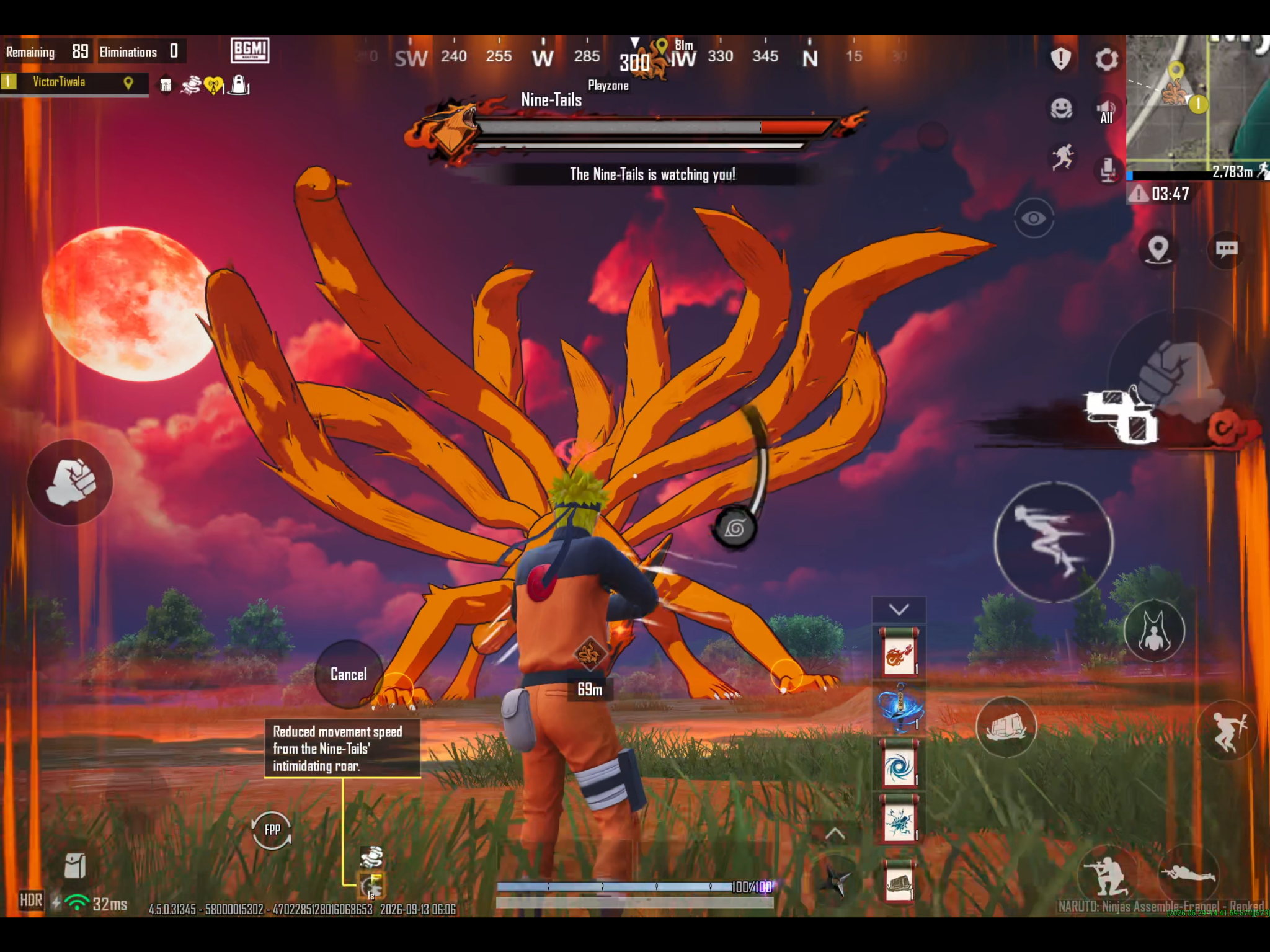
For instance, BGMI players can use map information and zone movement to choose suitable positions. Mechanical skill then helps them move, aim, and respond from that position.
Practice Methods and Improvement
Mechanical skills can be improved by doing focused drills, repeating specific movements and practicing regularly. Repeating these actions also helps develop reliable muscle memory.
Game sense develops through match experience, replay reviews and careful observation. You can review positioning, timing and decisions after each session.
Conclusion
Mechanical skill and game sense support different aspects of gameplay. One focuses on physical control, while the other focuses on awareness and smart decision-making. Strong multiplayer performance comes from developing both skills together.
Regular practice can improve your control, while match experience can improve your awareness. A balanced approach can make every Gun Game session more enjoyable and help you become a more complete player.

