
Table of Contents
Key Takeaways
- Good credit, a manageable debt-to-income ratio, and a healthy down payment are essential for mortgage approval.
- Shopping around with multiple lenders and considering different loan products helps secure better rates.
- Stability in employment and avoiding new debts before and during your home-buying process can improve your chances of approval.
Check Your Credit Score
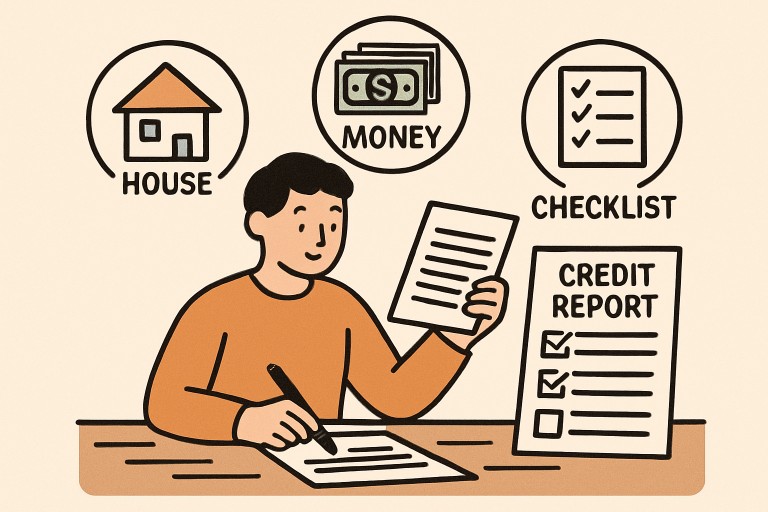
Your credit score is a crucial factor in both mortgage approval and the rates lenders offer. Most conventional loans require a minimum credit score of 620, while scores of 740 or higher unlock the most favorable terms. Reviewing your score early gives you time to address issues like paying down credit card balances, disputing errors with the credit bureaus, and keeping old accounts open. These steps can have a significant impact by the time you apply for a mortgage.
For homebuyers in the Lake Chatuge region, consulting with a local expert such as Lake Chatuge real estate agent Melissa Jenkins Stillwell can provide tailored guidance on preparing your finances and understanding the best loan options for your unique situation.
Manage Debt-to-Income Ratio
Lenders carefully evaluate your debt-to-income (DTI) ratio, which measures your monthly debt obligations relative to your gross monthly income. Keeping this ratio at or below 43% is key. Improving your DTI can be accomplished by systematically paying off existing debts and, where possible, increasing your income through side jobs or career advancement.
It can also help to avoid new lines of credit during this period, as additional monthly payments can push your DTI higher and jeopardize your loan application. Responsible management in this area increases your borrowing power and helps you qualify for more favorable terms.
Save for a Larger Down Payment
While you can qualify for some mortgages with as little as 3.5% down, larger down payments open doors to better mortgage rates and help you avoid private mortgage insurance (PMI). Setting aside 20% or more for a down payment not only builds immediate equity in your home but also reduces the overall cost of your loan by lowering monthly payments and interest charges. Larger down payments are also viewed favorably by lenders, signaling financial responsibility and lowering risk.
Shop Around with Multiple Lenders
Nearly four in ten homebuyers check rates with only one lender, which limits their ability to compare and save. Seeking mortgage quotes from at least three different lenders, including local banks and credit unions, can result in substantial savings over the life of your loan. Each lender has different criteria and promotional rates, so comparing their offers lets you choose the most competitive package.
Consider an Adjustable-Rate Mortgage
Adjustable-rate mortgages (ARMs) can be an attractive option in periods of high interest rates. ARMs start off with a lower fixed rate for an initial term, then switch to a variable rate that adjusts with the market. If you only plan to stay in your home for a few years or anticipate interest rates dropping in the near future, an ARM might save you money. However, be aware of the risks; if rates climb in the future, your payments could increase significantly.
Lock in Your Rate
Mortgage rates fluctuate with market conditions, sometimes daily. As you proceed with loan applications, ask your lender about rate lock options. A rate lock secures your agreed interest rate for a set period (typically 30 to 60 days), protecting you from unexpected spikes. Some lenders may automatically extend the lowest available rate within your lock period, though charges can apply for longer or additional lock periods.
Avoid Major Purchases Before Applying
Major purchases on credit, such as cars, boats, or new furniture, can impact your credit score and DTI. Lenders scrutinize recent financial activity during underwriting, so postponing large expenses until after closing is wise. This helps ensure your financial profile remains steady, showing lenders that you can reliably manage a mortgage alongside your existing obligations.
Maintain Stable Employment
A consistent employment history provides lenders with reassurance that you have a stable income to support mortgage payments. Changing jobs, employment gaps, or switching to self-employment shortly before applying can raise red flags. Aim for at least two consecutive years at your current job or within the same career field to strengthen your application and foster lender confidence.
Final Thoughts
With thoughtful preparation, improving your credit, managing debt, saving for a down payment, and proactively exploring lending options, you can increase your odds of mortgage approval and lock in the best possible rate. Paying attention to lender criteria and maintaining financial stability in the months leading up to your application will position you for long-term homeownership success.

