
Table of Contents
Key Takeaways
- Enhance curb appeal to make a strong first impression.
- Declutter and depersonalize interiors to help buyers envision themselves in the space.
- Address minor repairs and consider a pre-sale inspection to avoid surprises.
- Stage key living areas to highlight your home’s potential.
- Invest in professional photography and virtual tours to attract online buyers.
- Set a competitive price based on market research.
- Be flexible with showings and open to negotiations.
Selling your home isn’t just about listing it on the market—it’s about showcasing a lifestyle and setting the stage for buyers to imagine their future. The preparation process can feel overwhelming, but with a systematic approach and expert input from local professionals like Chanhassen real estate agent Steve Pemberton, homeowners can maximize both the interest rate and the offer price. Whether you’re making your first sale or looking to improve on a prior experience, this guide walks you through the essential steps.
Attention to detail and thoughtful preparation help homes sell faster and for better offers. Enhancing curb appeal, decluttering, effective marketing, competitive pricing, staging, and strong negotiation attract serious buyers and enable a smoother, less stressful closing. A polished, move-in-ready presentation boosts visibility and perceived value, reducing buyer concerns and often leading to quicker offers with fewer contingencies.
Enhance Curb Appeal
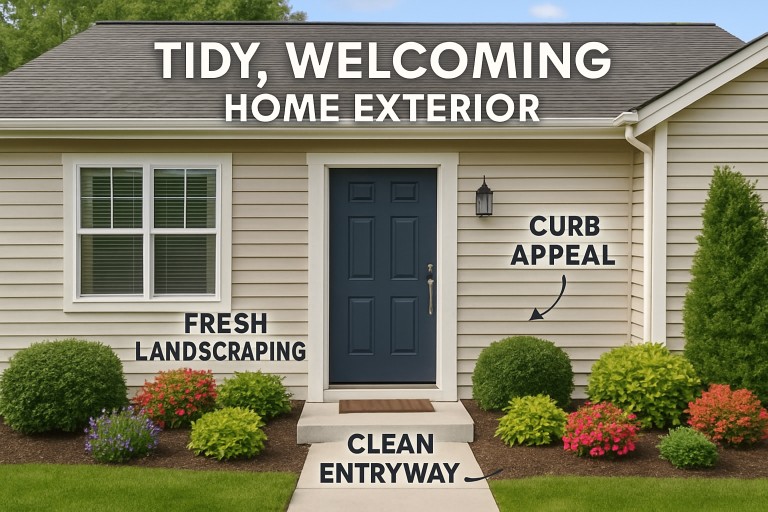
First impressions matter, especially in real estate. The exterior of your home acts as the gateway for buyers, offering the initial glimpse of what awaits inside. Take time to mow the lawn, edge walkways, trim hedges, and weed gardens. Adding a splash of color through flowerbeds or potted plants instantly livens up the space. A fresh coat of paint on the front door or power-washing siding and driveways can further signal a well-maintained property.
Curb appeal is so crucial that many buyers decide within seconds whether they’re seriously interested, making pre-listing improvements well worth the investment.
Declutter and Depersonalize
A visually clean and neutral home allows buyers to envision their own routines and belongings in the space. Remove personal photographs, children’s artwork, and any unique collectibles that might distract from your home’s architectural features. Clear out countertops, closets, and storage areas to make them appear larger and more functional.
This effort not only helps the buyer imagine the space as their future home but also helps you get a head start on the moving process.
Address Repairs and Consider a Pre-Inspection
Buyers often notice the little things—leaky faucets, squeaky door hinges, cracked tiles, or chipped paint can all detract from your home’s perceived value. Addressing these fixes in advance shows care and prevents buyers from discounting their offers for repairs. Arranging a pre-sale inspection can also identify hidden issues that might otherwise lead to price negotiations or deal delays late in the process.
Stage Key Living Areas
Thoughtful staging helps buyers connect emotionally with your home. Focus primarily on the living room, kitchen, and master bedroom, which are typically most influential in buyer decision-making. Arrange furniture to highlight flow and maximize space, and use neutral palettes with simple, modern decorations. Natural lighting and fresh accents, such as flowers or minimalistic art, can transform spaces from ordinary to irresistible.
Invest in Professional Photography and Virtual Tours
With most home searches starting online, professional photography is a must. Quality images highlight your home’s strengths, attract more buyers, and drive more showings. Virtual tours and video walkthroughs let remote buyers explore your home from afar, expanding your buyer pool and generating more qualified interest.
Today’s digital-first buyers often rely on a compelling visual experience to determine which homes warrant an in-person visit, making clear, bright, and carefully composed imagery crucial.
Set a Competitive Price
Strategic pricing positions your home attractively within the market. Research comparable sales in your neighborhood and consult your real estate agent for a professional opinion of value. According to NerdWallet, overpricing can leave your home stagnant, while underpricing may result in lost equity. Many agents recommend reviewing the first two weeks of interest and adjusting as needed, as stale listings may invite low-ball offers.
Partner with a Real Estate Professional
Leveraging a seasoned expert can ensure your price point reflects market demand and your property’s unique features, ultimately helping you achieve your selling goals.
Be Flexible with Showings and Open to Negotiations
Accommodating various showing times ensures more buyers can visit your home, even with busy or out-of-town schedules. Weekends, evenings, and short-notice showings can boost exposure. Prepare for negotiations as well—offers may include requests for closing credits, flexible dates, or contingency clauses. Willingness to consider reasonable adjustments can keep deals on track and leave both sides satisfied.
In today’s fast-paced market, being responsive and open signals to buyers that you are serious about selling—often leading to a smoother, more successful transaction.
Tending to every detail in your home’s preparation makes a substantial difference in attracting offers and closing swiftly. With a balanced strategy and the right team, you can move forward confidently and turn the sale into a true success.

