
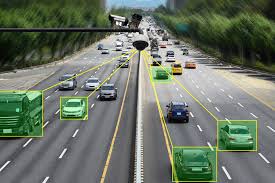
Transportation systems present some of the toughest conditions for edge AI. Hardware must survive vibration, shock, temperature extremes, dust, and moisture, all while meeting strict safety and regulatory requirements. At the same time, vehicles and roadside infrastructure are becoming data‑rich environments, with growing expectations around video analytics, predictive maintenance, passenger information, and connectivity to cloud services.
Architecturally, this pushes designers toward compact, rugged nodes that integrate compute, storage, networking, and AI acceleration into a tightly managed thermal and mechanical envelope. Solder‑down SoM modules have become a common choice because they reduce connector‑related failure points and allow closer integration between compute and cooling structures. This is a significant departure from earlier designs that repurposed consumer‑grade PC hardware, which often struggled with reliability in the field.
Connectivity is another critical dimension. Transportation edge nodes must balance multiple networking technologies—Ethernet, cellular, Wi‑Fi, sometimes legacy field buses—while handling intermittent links and variable bandwidth. This has direct implications for AI workload placement. Models that support safety or operational decisions, such as driver monitoring or obstacle detection, need to run locally, with cloud connectivity serving primarily for aggregation, fleet‑wide optimization, and software updates. NPUs embedded into SoCs like the i.MX95 and i.MX 8M Plus are part of how the industry is meeting these requirements without resorting to high‑power, actively cooled hardware.
Security and manageability may be the hardest problems of all. Transportation assets are distributed, often physically accessible, and expected to remain in service for many years. Secure boot, hardware root of trust, and remotely manageable update mechanisms are indispensable. Platforms that integrate trusted execution features and provide long‑term software support reduce the risk that vehicles or roadside units become vulnerable over time. When combined with robust OTA infrastructure and clear operational processes, they form the backbone of a defensible security posture.
As transportation systems become more software‑defined, edge AI nodes will be judged less by their peak performance and more by how well they integrate into a broader operational ecosystem. The most successful designs will be those that treat ruggedization, security, connectivity, and maintainability as co‑equal constraints, and that build on compute platforms explicitly designed to operate at that intersection.

