
For decades, the “Australian dream” was remarkably consistent: a detached house, a backyard large enough for weekend cricket, and a suburban street that represented stability and long-term security.
But property markets evolve alongside society, and today’s buyers are redefining what that dream actually looks like.
The modern buyer is navigating a very different Australia from the one previous generations entered. Housing affordability pressures, changing work patterns, rising living costs, and evolving family structures have all reshaped how people think about homeownership.
Instead of simply asking, “How close is this property to the city?”, buyers are increasingly asking deeper questions:
- Will this community support my future lifestyle?
- Can this home adapt to changing life stages?
- Does this suburb offer long-term liveability?
- Am I buying into a neighbourhood or just a housing estate?
These changing priorities are driving strong interest toward Melbourne’s growth corridors, where large-scale masterplanned communities are offering buyers a different kind of suburban experience—one built around flexibility, connection, wellness, and long-term planning.
The growing demand for land for sale berwick and continued buyer interest in townhouse for sale tarneit both reflect this broader shift in how Australians are approaching property ownership.
Table of Contents
Suburban Living Is Undergoing a Cultural Shift
There was a time when outer suburban growth followed a fairly predictable formula.
Developers delivered housing quickly, while infrastructure, parks, schools, and community facilities often arrived years later. Many suburbs became collections of houses rather than fully integrated communities.
Today’s buyers are far less willing to compromise on lifestyle.
Modern homebuyers expect suburbs to provide:
- Community infrastructure from early stages
- Green space and recreation
- Strong educational access
- Walkability
- Wellness-oriented environments
- Diverse housing options
This is changing not just how suburbs are built, but how they are perceived.
Growth corridors are no longer viewed as temporary “starter” locations. Increasingly, buyers see them as long-term lifestyle destinations capable of supporting multiple generations and evolving family needs.
Why Land Ownership Still Holds Powerful Appeal
Despite the rise of apartment living in major cities, land ownership remains deeply embedded in Australian buyer psychology.
Owning land still represents:
- Stability
- Long-term financial security
- Greater autonomy
- Future flexibility
- Potential capital growth
But the kind of land buyers now want is changing.
Large isolated blocks with minimal surrounding amenity are becoming less attractive compared to land located within carefully planned communities offering integrated lifestyle infrastructure.
This is one reason demand for land for sale berwick continues to remain strong.
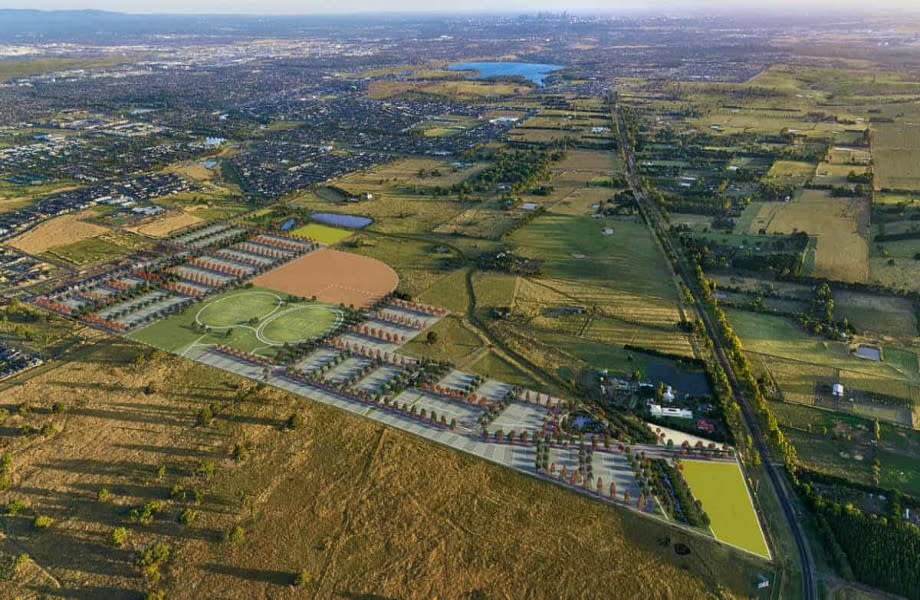
Berwick Waters has positioned itself around a nature-integrated model of suburban living, where waterways, wetlands, walking trails, parks, and community infrastructure are woven into the broader residential experience. The community includes more than 50 hectares of wetlands and open space alongside over 9 kilometres of walking and cycling paths.
That emphasis on environmental integration reflects a much larger shift occurring across Australian residential development.
Buyers Are Prioritising Wellness More Than Ever
One of the most significant trends influencing modern property decisions is the increasing importance of wellbeing.
This extends far beyond fitness amenities or recreational facilities.
Buyers increasingly want environments that support:
- Lower stress lifestyles
- Outdoor activity
- Social interaction
- Mental wellbeing
- Family connection
- Slower daily rhythms
Suburbs designed around natural landscapes often create stronger emotional attachment because they improve the everyday living experience in subtle but meaningful ways.
At Berwick Waters, wetlands and open green corridors are not treated as decorative additions—they are central to the identity of the community itself.
That distinction matters because today’s buyers are not simply purchasing homes. They are buying environments that shape how daily life feels.
The Psychology Behind Modern Masterplanned Communities
There is a reason masterplanned communities continue gaining traction across Melbourne’s outer suburbs.
They provide something increasingly difficult to find in fragmented urban development:
cohesion.
Buyers are drawn to communities where:
- Streetscapes feel connected
- Parks and public spaces encourage interaction
- Schools and retail are planned together
- Recreational infrastructure is integrated from the beginning
This creates a stronger sense of identity and belonging.
Historically, many suburban areas developed reactively over time. Modern masterplanned communities, by contrast, are designed holistically before construction even begins.
That planning-first approach is becoming increasingly attractive to buyers seeking predictability and long-term confidence in where they live.
Tarneit and the Rise of the Modern Townhouse
While Melbourne’s south-east continues attracting families seeking larger land lots, the western corridor tells another important story about changing buyer preferences.
Tarneit has become one of Melbourne’s fastest-growing residential areas, but its popularity is not driven solely by affordability.
The suburb increasingly reflects a broader transition in Australian housing preferences—particularly the rise of low-maintenance living.
Demand for townhouse for sale tarneit highlights how buyers are reconsidering what kind of home actually suits modern lifestyles.
For many households, the traditional large suburban home no longer aligns with how people live today.
Modern buyers increasingly prioritise:
- Lower maintenance
- Efficient layouts
- Energy performance
- Functional design
- Community accessibility
- Time flexibility
Townhouses have evolved significantly to meet these expectations.
Why Townhouses Are No Longer a Compromise
A decade ago, townhouses were often viewed as transitional housing—something between an apartment and a detached home.
That perception has changed dramatically.
Today’s townhouse developments are designed for long-term liveability, not temporary convenience.
Modern townhouses frequently include:
- Open-plan layouts
- Multiple living spaces
- Private outdoor areas
- Flexible home office integration
- Contemporary architectural design
- Energy-efficient construction
Importantly, townhouses also appeal to a broader demographic than ever before.
Interest now comes from:
- First-home buyers
- Downsizers
- Young professionals
- Small families
- Investors
This diversity reflects how flexible housing formats are becoming increasingly important in Australian residential markets.
The Time Economy Is Changing Housing Preferences
One of the most overlooked drivers of townhouse demand is something economists increasingly refer to as the “time economy.”
People are placing greater value on reducing:
- Maintenance burdens
- Long commutes
- Household upkeep
- Lifestyle inefficiencies
Many buyers now prefer homes that allow them to spend more time:
- Outdoors
- With family
- Exercising
- Socialising
- Working flexibly
Lower-maintenance housing supports this shift.
For busy households, reducing weekend maintenance obligations can significantly improve quality of life.
This is one reason townhouse living has become increasingly attractive even among buyers who previously would have prioritised larger detached homes.
Infrastructure Has Become a Deciding Factor
Another major change in buyer behaviour is the importance now placed on infrastructure timing.
Older suburban developments often relied on future promises:
future schools, future retail, future transport.
Modern buyers expect far more certainty.
They increasingly want access to:
- Schools
- Childcare
- Healthcare
- Public transport
- Retail
- Parks and sporting facilities
either immediately or within clearly defined development stages.
Communities that deliver infrastructure early tend to build stronger resident satisfaction and longer-term demand.
Berwick Waters, for example, includes schools, recreational spaces, shopping access, and medical facilities integrated into the broader development vision. Turrun Primary School and Wulerrp Secondary College officially opened in January 2025 within the community.
This kind of integrated planning increasingly shapes how buyers evaluate value.
Buyers Are Thinking Beyond the First Purchase
One of the most important differences between today’s buyers and previous generations is that property decisions are becoming more strategic and long-term.
People increasingly ask:
- Will this area grow with my family?
- Can this property adapt to future needs?
- Will the suburb remain desirable over time?
- Does this community support different life stages?
This explains why flexible housing ecosystems are becoming more popular.
Communities offering:
- Land options
- Townhouses
- Detached homes
- Recreational infrastructure
- Future amenity growth
are often better positioned to support changing resident needs over time.
Sustainability Is Quietly Influencing Buyer Decisions
Environmental awareness is also playing a larger role in property decisions than many realise.
Modern buyers increasingly value:
- Water-sensitive urban design
- Walkability
- Energy efficiency
- Green open space
- Reduced car dependency
Nature-integrated communities often appeal not only because they look attractive, but because they align with broader lifestyle values around sustainability and wellbeing.
Wetlands, open spaces, and shared recreational infrastructure are becoming functional lifestyle assets rather than aesthetic additions.
The Future of Melbourne’s Growth Corridors
Melbourne’s outer suburbs are no longer simply expanding—they are evolving.
The next generation of suburban communities is being shaped around:
- Wellness
- Flexibility
- Environmental integration
- Community identity
- Diverse housing
- Long-term infrastructure planning
This transformation is changing how Australians think about suburban living altogether.
Growth corridors are increasingly becoming places where people intentionally choose to build long-term lives—not merely compromise locations chosen for affordability.
Final Thoughts
The Australian dream has not disappeared. It has simply adapted to a different era.
Today’s buyers want more than a house—they want communities that support modern living in practical, emotional, and long-term ways.
The continued interest in land for sale berwick reflects the growing appeal of communities designed around nature, wellness, and family-oriented infrastructure.
At the same time, rising demand for townhouse for sale tarneit highlights how flexible, lower-maintenance housing is becoming central to contemporary suburban life.
Together, these trends reveal a deeper transformation underway across Melbourne’s property market: one where buyers are no longer simply chasing property ownership, but actively seeking better ways to live.

